The Tűzoltó Street Children’s Clinic is the largest paediatric oncology centre in Hungary, admitting roughly 300 new patients each year, in addition to the continued treatment, rehabilitation and aftercare of existing patients under the age of 18.
The Robert Burns International Foundation has supported the clinic for almost 30 years, knowing that these donations are used entirely to support the recovery of the children treated there.. Nearly 70% of all such cases in the country are treated here, with tumours affecting the central nervous system and spinal cord being the most common.
Our equipment donation this year was facilitated by our Nevis Sponsors at the 2025 Budapest Burns Supper, bp, Budapest Airport and FirstMed.

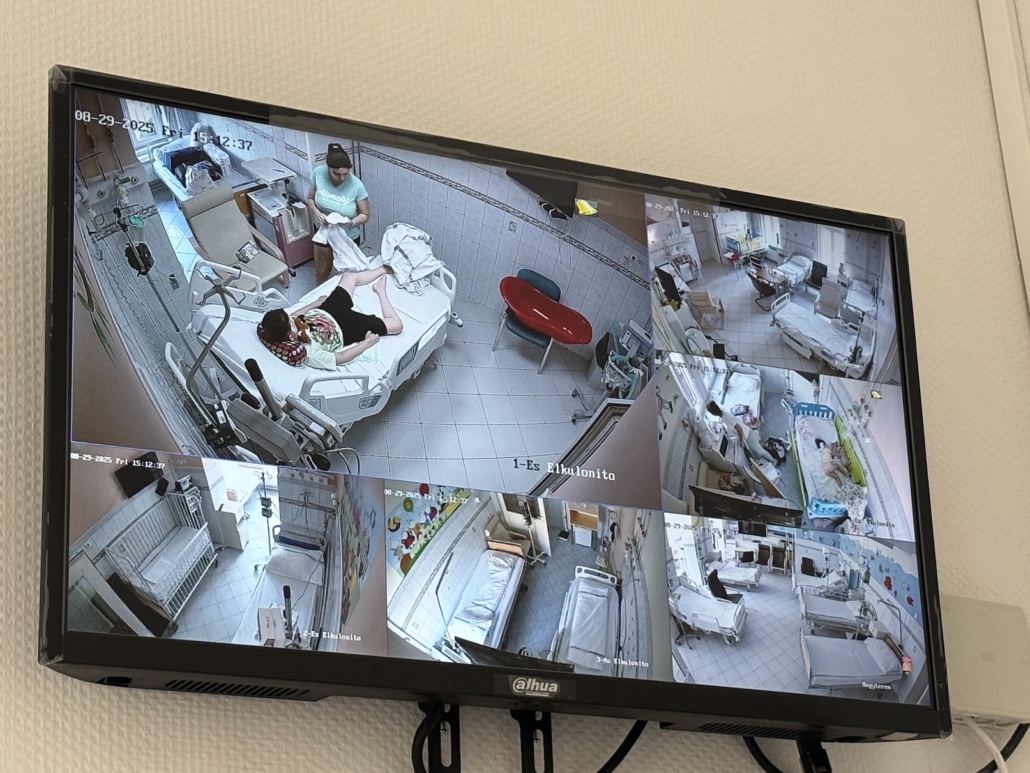
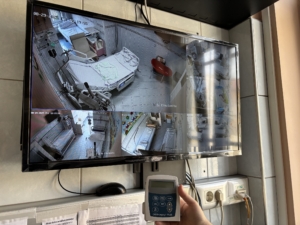
In 2025, a camera system was installed for the neuro-oncology ward. This system enables staff to continuously monitor the young patients from a central location and to communicate with them or their accompanying parents without entering the ward room. Relatives can address questions to the staff or call for assistance at any time.
According to Dr. Erika Tomsits,
“The ward has 16 beds, with patient rooms, a treatment room, a ward pharmacy, as well as nurses’ and doctors’ rooms leading off from an L-shaped corridor. Given the shortage of healthcare personnel (sometimes only one nurse is on duty at night on weekends for example), the camera system significantly improves the speed and efficiency of care and lowers the risk of infection.”
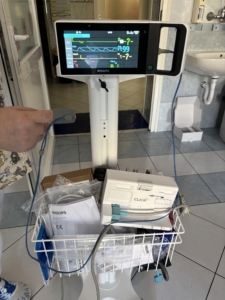
Additionally, two Bluemed patient monitoring devices were purchased. These mobile devices, mounted on rolling stands, can monitor patients’ vital functions (blood pressure, temperature, oxygen saturation, pulse rate) continuously for up to 48 hours. For critically ill patients, the monitoring system can be linked to the camera system, allowing the vital signs to be tracked on a central monitor in real time, and analysed later if necessary. The system triggers alarms when values reach critical thresholds. This enables nurses or doctors to enter the ward well-informed about the patient’s condition and with appropriate medical equipment and medication already prepared.
After undergoing protocol-based acute treatment, children with chronic nervous system tumours require ongoing therapy, sometimes for as long as one year, with regular 4-5-day periods of intravenous medication approximately every 35 days. The central venous administration of these 4-day medication cycles can also be carried out at home using refillable pumps, also purchased by the RBIF.
“We express our gratitude for this important and valuable donation, which has made it possible to purchase systems that improve the quality of life and enhance the safety of care for these severely ill children.”

